

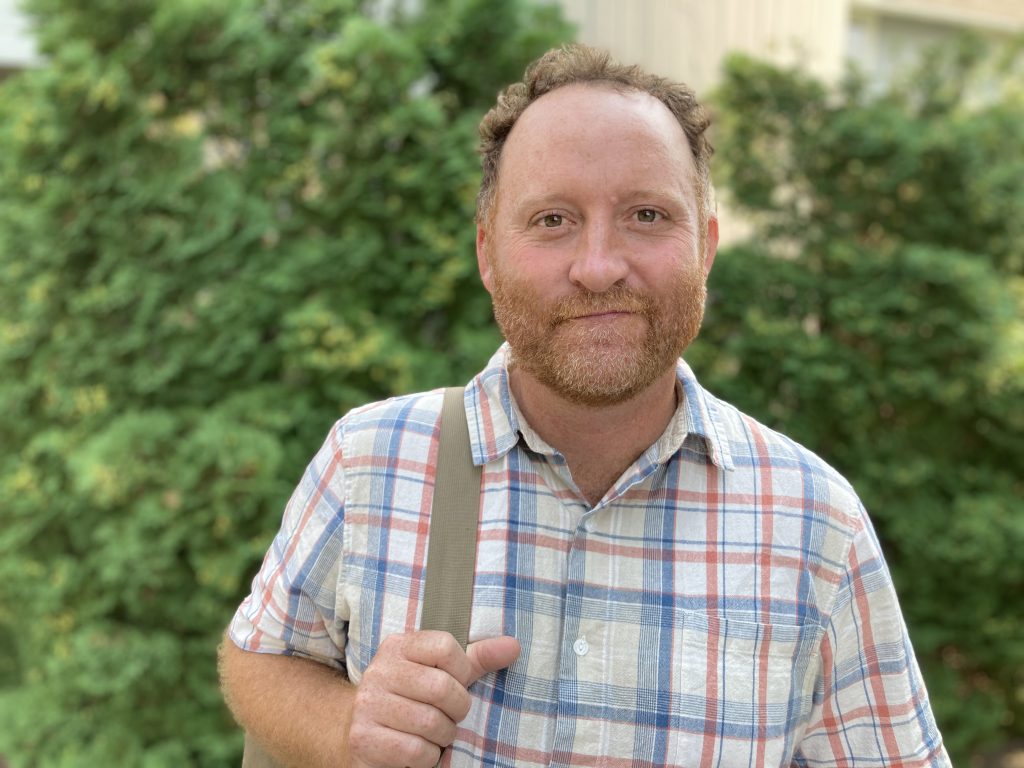
Jeffrey Wall, Assistant Professor of Indigenous Horticulture, Washington State University
I very happily worked with the Migration Institute of Finland from 2024 to 2025. During my time at MIF, I was warmly invited to all kinds of discussions, conferences, and collaborative exchanges—even pikkujoulu. I am especially grateful to Saara Pellander and Marja Tiilikainen for their exceptionally welcoming and thoughtful approaches to the visiting researcher role, which made it easy to feel both included and able to contribute. This environment allowed for my enrichment as a scholar while also creating space for my own training to support developments at MIF, particularly its emerging work in environmental migration studies. I was especially struck by the Institute’s growing dedication to environmental dimensions of migration alongside its careful attention to migrant agency.
MIF provided a uniquely collegial and stimulating environment, with the space, infrastructure, and vibrant event programming that supported both focused research and meaningful exchange. A standout example was the proposal review clinic led by Mika Orjala, an incredibly valuable offering that fostered constructive feedback and collegial support. My time there led to ongoing collaborations, including work with Tomas Hanell on Gallup World Survey data analysis and with Samira Saramo on Indigenous historical contexts of Thunder Bay, Canada.
I would describe the Institute as a joyful, inviting, and convivial intellectual community. Now an assistant professor at Washington State University, my experience and continued connections with MIF continue to shape my work, including my project Homeland No More, which explores deep shifts in ecological texture and their influence on migration ideation in Morocco and Turkey, as well as broader questions of place and belonging.
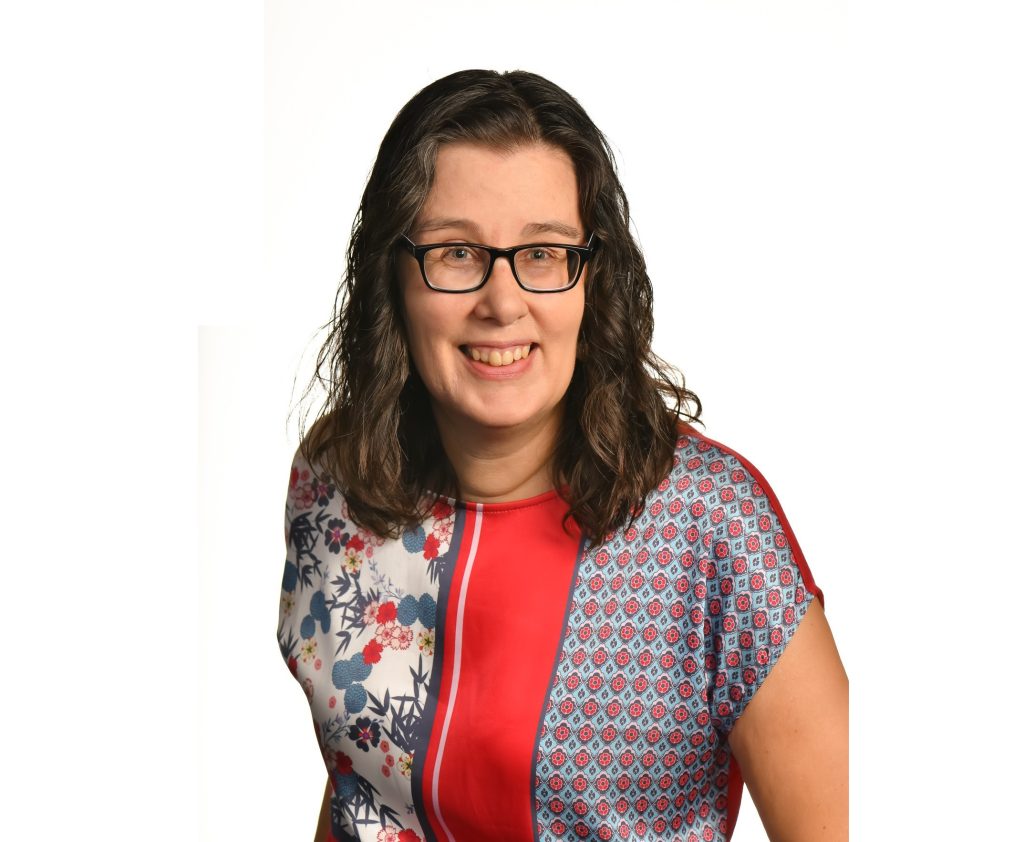
Heli Askola, Associate Professor, Monash University
I had the opportunity to serve as a Visiting Scholar at the Finnish Migration Institute in early 2023 and again in the spring of 2024. During my visits, I conducted research into comparative migration law and policy, with a particular focus on immigrant integration and family migration policies. The appointments provided an important opportunity to deepen my engagement with interdisciplinary migration studies and exchange insights with Finnish scholars interested in comparative migration governance. They also allowed me to participate in Finnish debates on the direction of migration policy, with attention to lessons from Australia. Presenting my ongoing research into Australian family migration policies in 2024 was an important opportunity to receive constructive feedback that informed my book (Immigration, Citizenship and Insecurity: An Australian Story), published in 2025. Beyond research, I thoroughly enjoyed the friendly atmosphere of a collegial community of scholars and the wide range of events offered by the Institute, which fostered a welcoming and intellectually stimulating atmosphere.
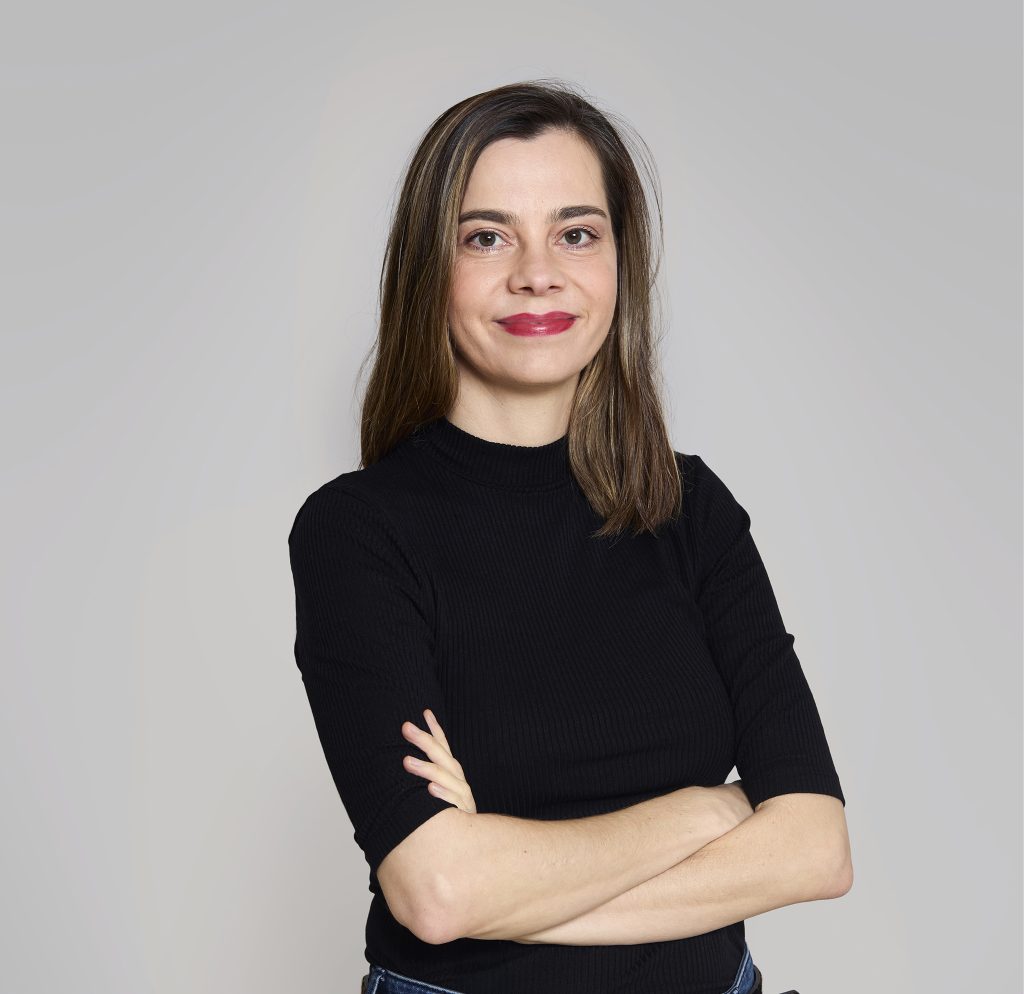
Olga Cielemecka, Postdoctoral Researcher, University of Eastern Finland
I arrived at the Migration Institute of Finland as a visiting researcher at a time that felt particularly isolating. The project I was working on was based at another university in a city where I don’t live, with my team scattered around the country and connected mostly virtually. Like many of us, I spent years bouncing between universities and countries in a series of fixed-term, precarious academic appointments. The pandemic deepened the sense of isolation and precarity, feelings that many of us know too well. I came to the Migration Institute of Finland with a project on ecologies and bordering, aware that with my background in continental philosophy and feminist theory I might be something of an “odd one out” among experienced migration scholars. Yet, I was met with genuine intellectual curiosity and openness. Thanks to MIF I had a “room of my own” at a moment when I deeply needed a dedicated office space, but, even more importantly, I gained a supportive and generous community. I learned a great deal from MIF’s researchers at lectures, seminars, and events. I cherish the conversations, the always thoughtful and engaged feedback, and the informal chats over coffee that shaped my project in so many important ways. To illustrate, when I applied for the title of docent, colleagues at MIF shared their advice and encouraged me, even organized a mock teaching demonstration making this stressful process feel less lonely and more grounded. In a world of academia increasingly marked by precarity and competition for limited resources, we need gentler, more caring spaces to work and be, and MIF has been that for me.